Python Basics for Automation — Study Notes

Study notes from Cisco’s CCNA Automation Python livestream — variables, dicts, virtual environments, JSON parsing, the requests library, and API auth, mapped to real security and AWS skills.

Study notes from Cisco’s CCNA Automation Python livestream — variables, dicts, virtual environments, JSON parsing, the requests library, and API auth, mapped to real security and AWS skills.

AI is writing more code than ever, but Forrester's 2026 survey shows security scanning hasn't kept up. Here's the gap, why attackers love it, and how to close it in your pipeline.

A routine update day on my Omarchy/Debian dual-boot travel laptop turned into a lesson in boot internals. I installed Zoom from the AUR after auditing its PKGBUILD, then caught a Debian update quietly shrinking my boot file to a quarter of its size. The cause was a helper script tripping over its own files. Here’s how I diagnosed it, repaired it, and made sure it can’t happen again.
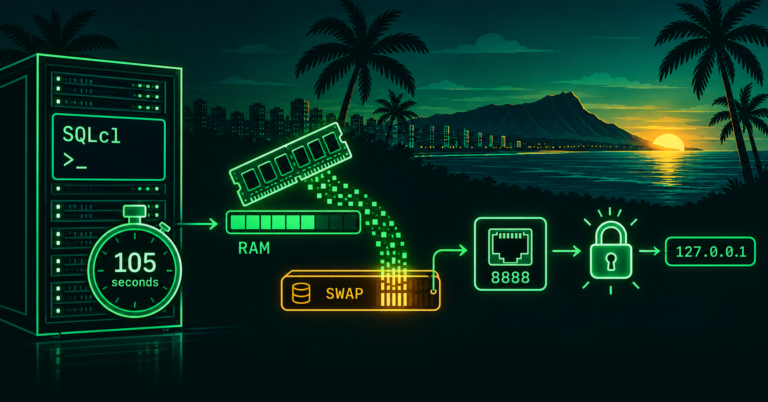
A yellow "Couldn't start for Cowork and Code sessions" pop-up sent me through a night of log reading. The real culprit was memory pressure, not SQLcl. Along the way I found Unsloth Studio listening on my whole network, and locked it down.
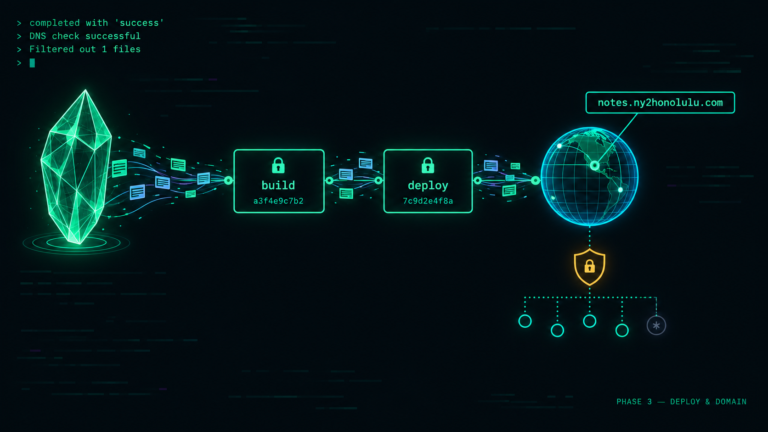
Phase 3 of my Quartz notes site: I deleted six workflows that never ran, wrote a hardened GitHub Pages deploy with pinned actions, verified my domain against subdomain takeover, found a wildcard DNS record, and proved the privacy filter works on the live site.
Purpose On October 9, 2026, cleaning up an accidental SELinux install turned into a full security check of two machines. The goal was to leave both safer than they started, and to get the travel laptop ready for my Spain…
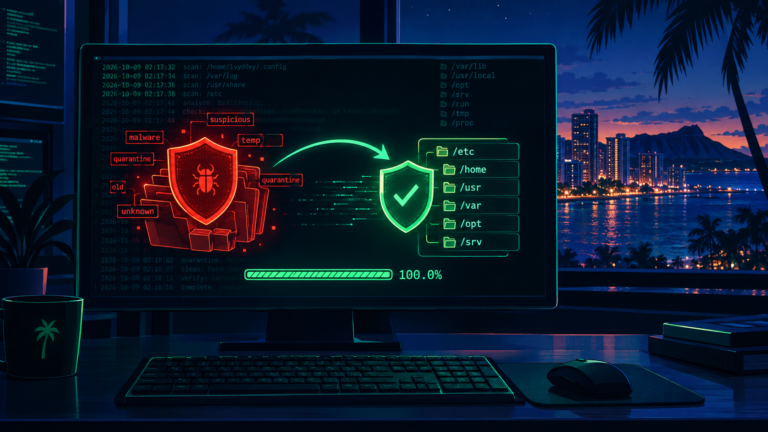
I turned on SELinux on my main Debian desktop, sat through a full-disk relabel I thought was formatting my drive, then rolled it back. Here's what SELinux is, what AppArmor is, how they differ, and the disabled AppArmor service I found on the way out.
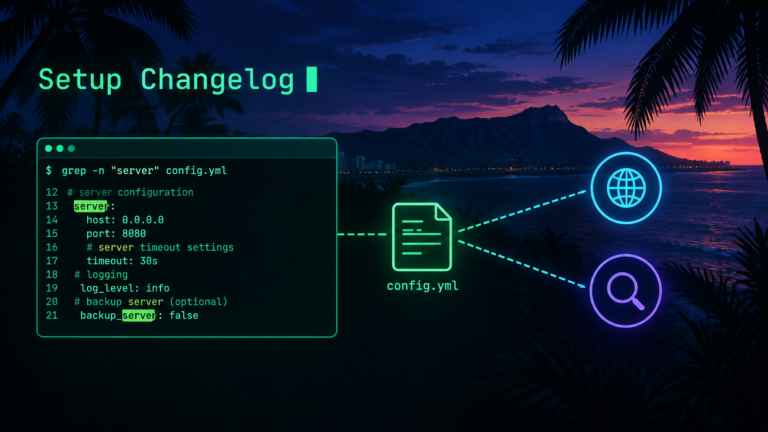
A running, dated log of changes to my Debian setup: what I changed, why I changed it, and how to undo it. It started after two “mysteries” turned out to be my own forgotten settings.
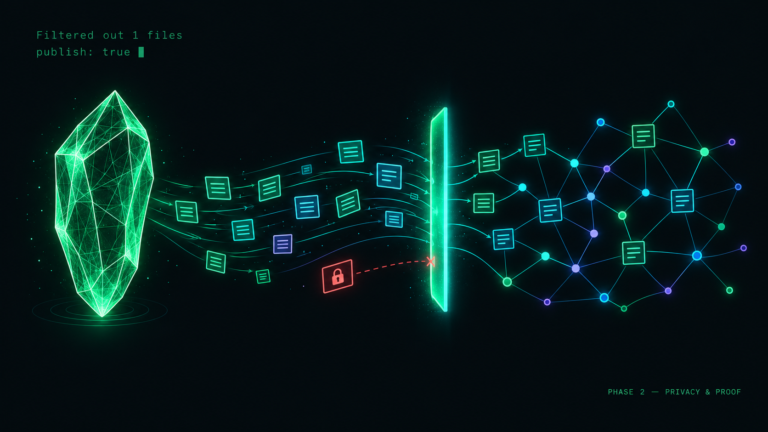
Phase 2 of my Quartz notes site: I reviewed every setting, turned on opt-in publishing, proved private notes stay private with a test note and grep, found my email already exposed in old GitHub commits, and pushed a clean first commit — mistakes included.
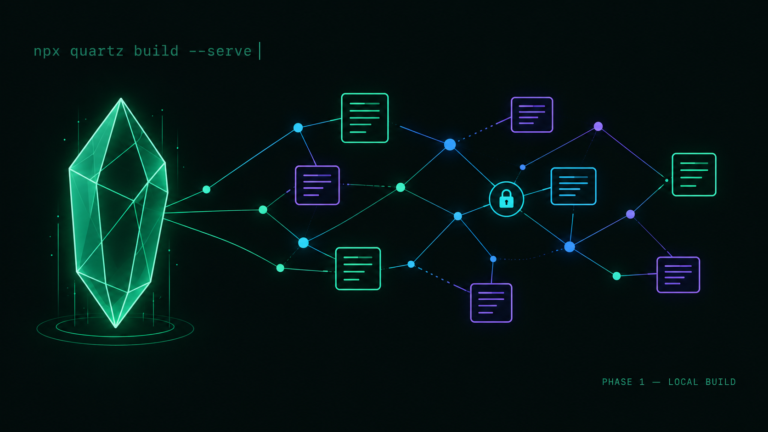
I'm building a public notes site at notes.ny2honolulu.com with Quartz 5 and Obsidian. Phase 1 covers the local build: a public repo, an opt-in privacy plan, triaging six "high" npm vulnerabilities, and a port conflict — including the mistakes.